
Silica Dust When Cutting or Breaking Concrete: How to Protect Yourself
Silica dust from cutting, drilling and breaking concrete: the health risk, OSHA's Table 1 controls for saws, water and dust collection, and respirators.
Affiliate disclosure: product links on this page go to Amazon or to the maker's own store. As an Amazon Associate we earn from qualifying purchases, at no extra cost to you; links to makers' own stores earn us nothing. No retailer or brand sees our picks before they are published or has any say in them. How we choose.
Concrete, brick, block, stone and mortar contain crystalline silica. When you cut, grind, drill or break them, the fine dust can travel deep into the lungs, and OSHA says it causes silicosis (an incurable and sometimes deadly lung disease), lung cancer, other respiratory diseases and kidney disease. The protection is simple: keep the dust out of the air with water or a dust collection system, and wear a respirator when the task calls for it.
Where silica dust comes from
OSHA lists masonry saws, grinders, drills, jackhammers and handheld powered chipping tools among the common sources. That covers most of this site's demolition and concrete cutting tools: concrete saws, jackhammers and demolition hammers.
What OSHA's standard says
OSHA's construction standard (29 CFR 1926.1153) lets employers either follow Table 1, which matches 18 common tasks with dust control methods, or measure exposure. Table 1 relies on water to keep dust from getting into the air or a vacuum dust collection system to capture it, plus respirators for some tasks.
Example: handheld power saws
| Control | Outdoors, 4 hours or less a shift | More than 4 hours, or indoors |
|---|---|---|
| Saw with an integrated water delivery system that continuously feeds water to the blade, used as the maker instructs | No respirator required | Respirator with an assigned protection factor of at least 10 |
OSHA notes that an APF 10 respirator can be a NIOSH-certified filtering facepiece respirator covering the nose and mouth.
Table 1 for the other tools on this site
Handheld saws are one of 18 rows. The rows for the other tools a homeowner is likely to use read as follows.
Walk-behind saws. The control is the same integrated water feed to the blade. Outdoors the table lists no respirator at any duration; indoors or in an enclosed area it lists a protection factor of 10.
Stationary masonry saws. A saw with an integrated water feed, and no respirator listed indoors or out. This is the paver and block saw.
Jackhammers and handheld chipping tools. Either a continuous stream or spray of water on the point of impact, or a shroud with a dust collector that has a filter at least 99 percent efficient and a filter-cleaning mechanism. Outdoors: no respirator up to four hours, a protection factor of 10 beyond. Indoors: 10 throughout.
Drills, including rotary hammers. A shroud or cowling with a dust collector, and a HEPA-filtered vacuum for cleaning the holes. No respirator listed.
Handheld grinders (other than for mortar removal). Outdoors only, a water feed to the grinding surface; or a shroud and a collector moving at least 25 cubic feet of air a minute for each inch of wheel diameter.
Excavators breaking or demolishing concrete. Operate from an enclosed cab, and apply water when anyone is working outside the cab.
How the four-hour line works
The four hours are not per tool. The standard says that when someone does more than one Table 1 task in a shift and the tasks together pass four hours, the over-four-hour respirator column applies to each of them. A morning of sawing and an afternoon of chipping is a full day of exposure, not two short ones.
Indoors is a different job
Dust that drifts away outside stays in a garage or basement. For saws and chipping tools the table moves to a respirator from the first minute indoors, and the standard requires exhaust as needed to keep visible dust from building up. It also says wet methods need enough water flow to keep visible dust down, so a dribble on the blade does not count.
The numbers behind the rule
OSHA's fact sheet puts the permissible exposure limit at 50 micrograms of respirable silica per cubic meter of air, averaged over eight hours, with an action level of 25. It estimates that about two million construction workers are exposed in more than 600,000 workplaces. An employer who follows Table 1 correctly does not have to measure exposure, which is the reason the table is so specific about the equipment.
What employers also have to do
The standard asks more of an employer than the right saw, and the list shows how seriously the hazard is taken. OSHA's fact sheet says every covered employer must have a written exposure control plan and a competent person to carry it out, must restrict housekeeping that raises dust, such as dry sweeping and compressed air, where there are alternatives, must offer medical exams including chest X-rays and lung function tests every three years to workers who wear a respirator 30 or more days a year, and must train workers and keep records. None of that binds a homeowner. All of it is a guide to how a careful person treats the same dust.
At home: what to do
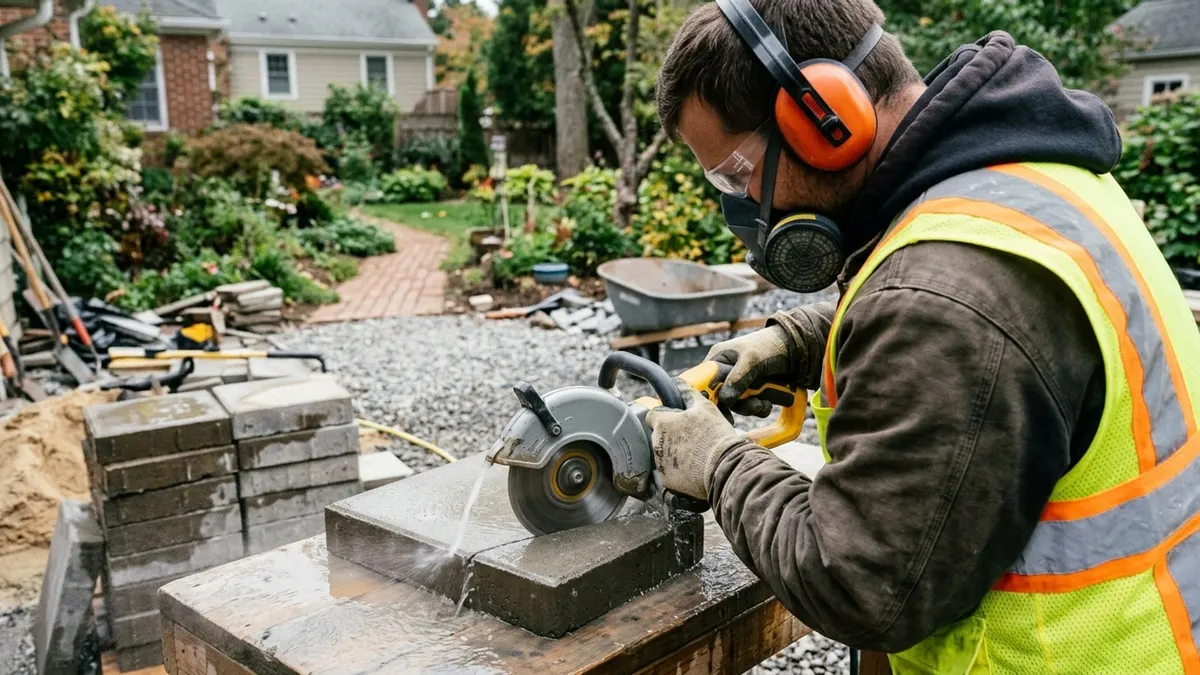
- Cut wet. Use a saw with a water feed, like the Evolution R14DCT's built-in dust suppression.
- Capture dust at the tool when drilling or chipping, with a shroud and vacuum if available.
- Wear a respirator (at least a NIOSH-certified N95 filtering facepiece) for dusty work, and always indoors.
- Never dry sweep or blow dust; wet it down or vacuum it.
- Keep others away, including children and pets, and work outdoors where you can.
- Wear eye and hearing protection too.
Long-term risk
OSHA says these diseases usually appear after years of exposure. One weekend of dry cutting is not the main risk; repeated unprotected work is. Build the habit from the first cut.
Frequently asked questions
Is concrete dust dangerous?
Yes. It contains crystalline silica, which OSHA says causes silicosis, lung cancer, other respiratory diseases and kidney disease when the fine dust is breathed in.
How do I cut concrete without dust?
Cut wet with a saw that continuously feeds water to the blade, the control OSHA's Table 1 pairs with handheld saws, and wear a respirator for longer or indoor work.
What mask do I need for cutting concrete?
OSHA's Table 1 calls for a respirator with an assigned protection factor of at least 10 for handheld saw use over 4 hours a shift or indoors; a NIOSH-certified filtering facepiece respirator qualifies.
Do jackhammers create silica dust?
Yes. OSHA lists jackhammers and handheld powered chipping tools among common sources of silica exposure.
Do I need a respirator for a jackhammer outdoors?
By OSHA's Table 1, not for four hours or less in a day if water is sprayed on the point of impact or a shroud and dust collector are fitted. Beyond four hours it calls for a respirator with a protection factor of 10, and indoors it calls for one throughout.
Sources
Cover image: Illustration: Construction Gear Review (AI-generated)
Related guides

Call 811 Before You Dig: How It Works and What the Marks Mean for You
The free call or click that gets buried lines marked, and the trench rules that keep you alive.
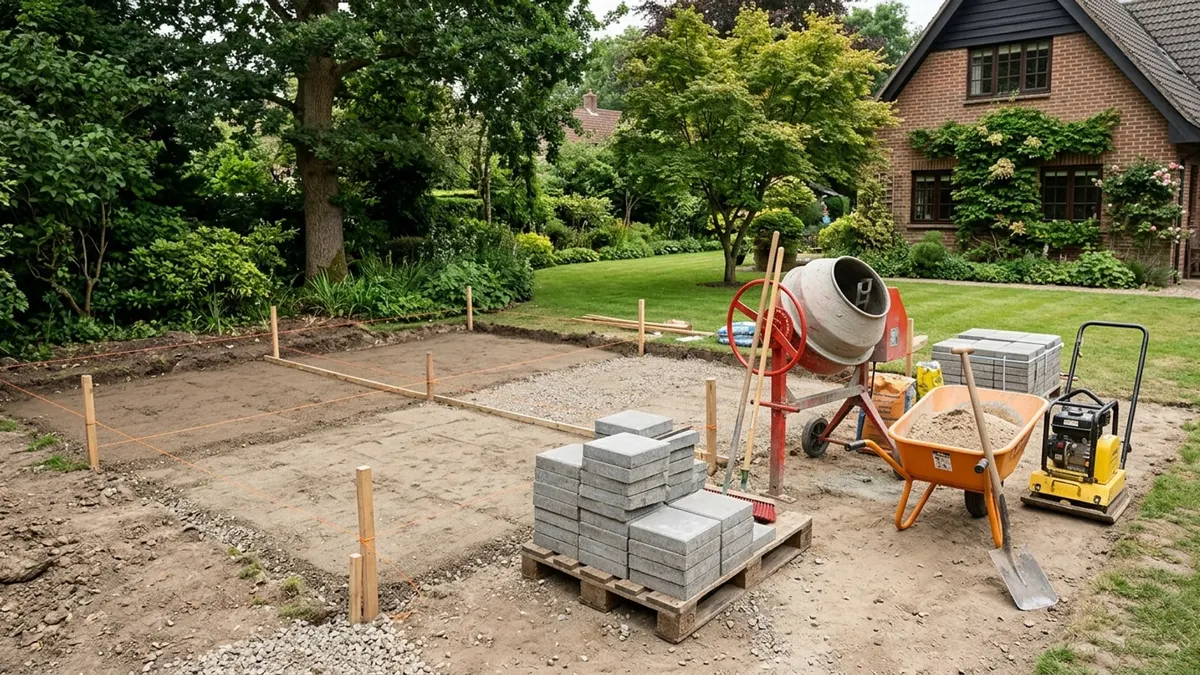
Construction Equipment for Homeowners: What to Buy or Rent for Each Project
Start from the project: the machine it needs, whether to own it, and the guide that sizes it.
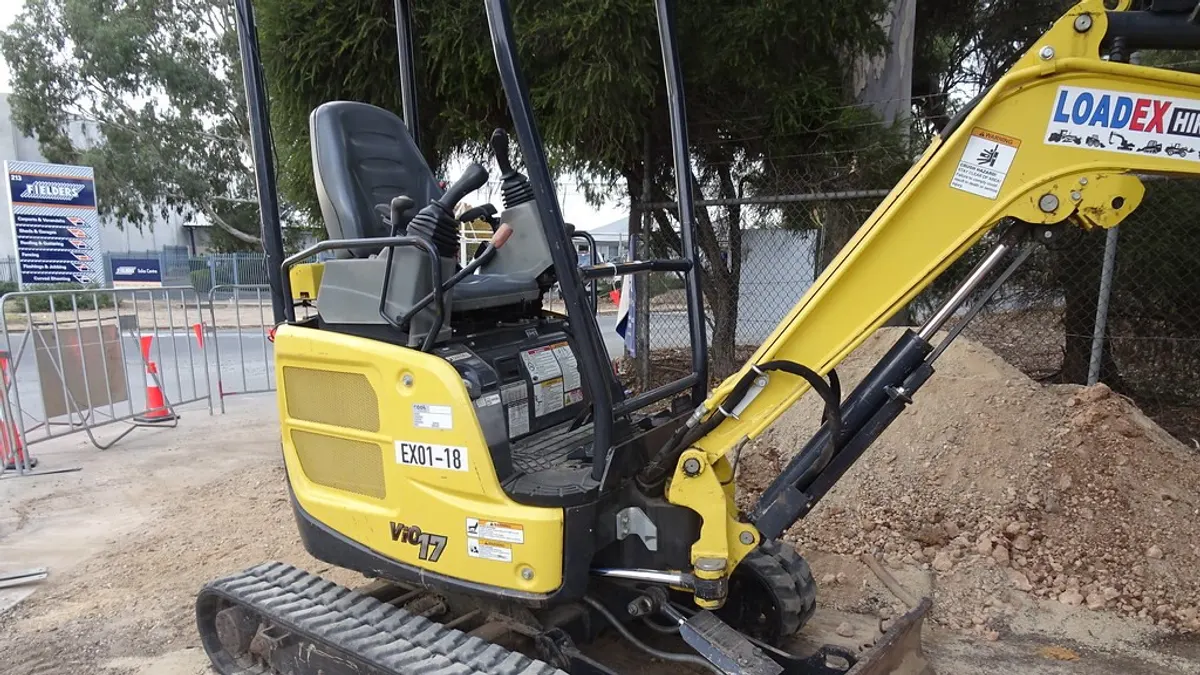
Rent or Buy a Mini Excavator? How to Decide for Your Property
A simple way to decide: count the days of digging, then add hauling, storage and upkeep to the purchase.