Excavators & Trenchers5 min
Buying an Imported Mini Excavator Online: What to Check Before You Order
Engine, emissions, warranty, parts, freight and fit: the checks that separate a good import from an expensive yard ornament.
30 buying guides, comparisons, how-tos and calculators.
30 guides· Page 1 of 2
Engine, emissions, warranty, parts, freight and fit: the checks that separate a good import from an expensive yard ornament.
The free call or click that gets buried lines marked, and the trench rules that keep you alive.
Blocks, 80 lb bags of mortar mix and courses for a standard 8 x 8 x 16 block wall.
Volume in cubic feet and yards, bag counts by size, and the weight of the wet concrete.
Five electric drum mixers, how many bags each really takes, and steel vs poly drums.
Wet cutting is the rule: four saws compared on cut depth, power, water and warranty.
Start from the project: the machine it needs, whether to own it, and the guide that sizes it.
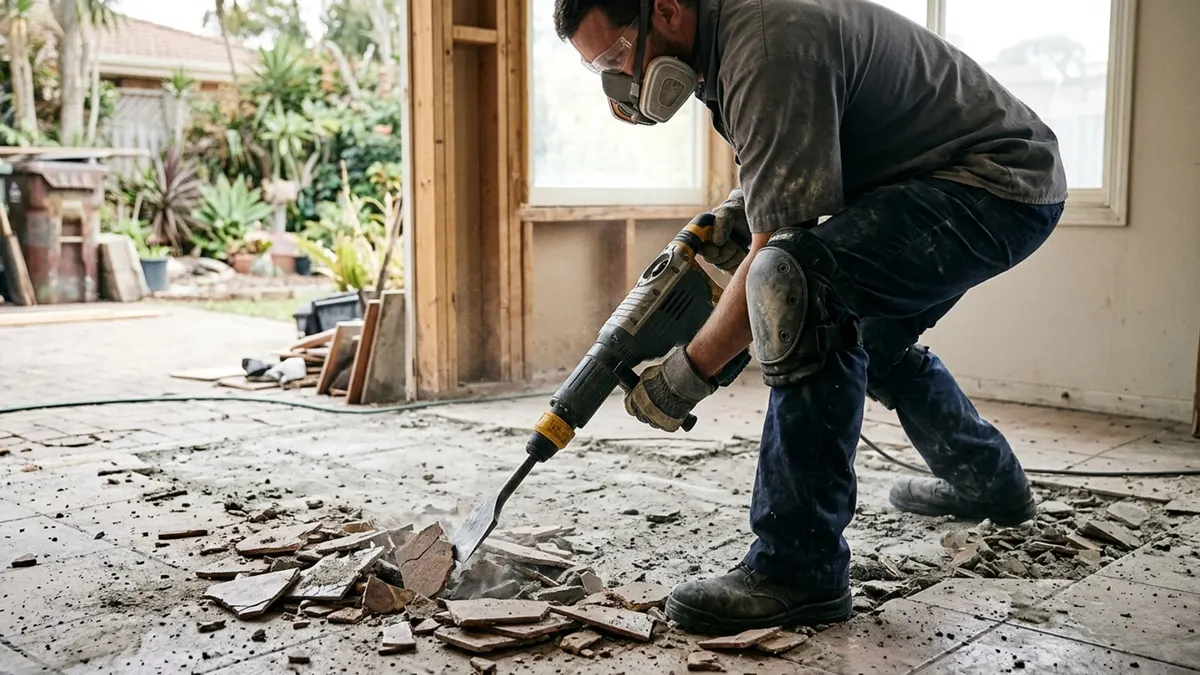
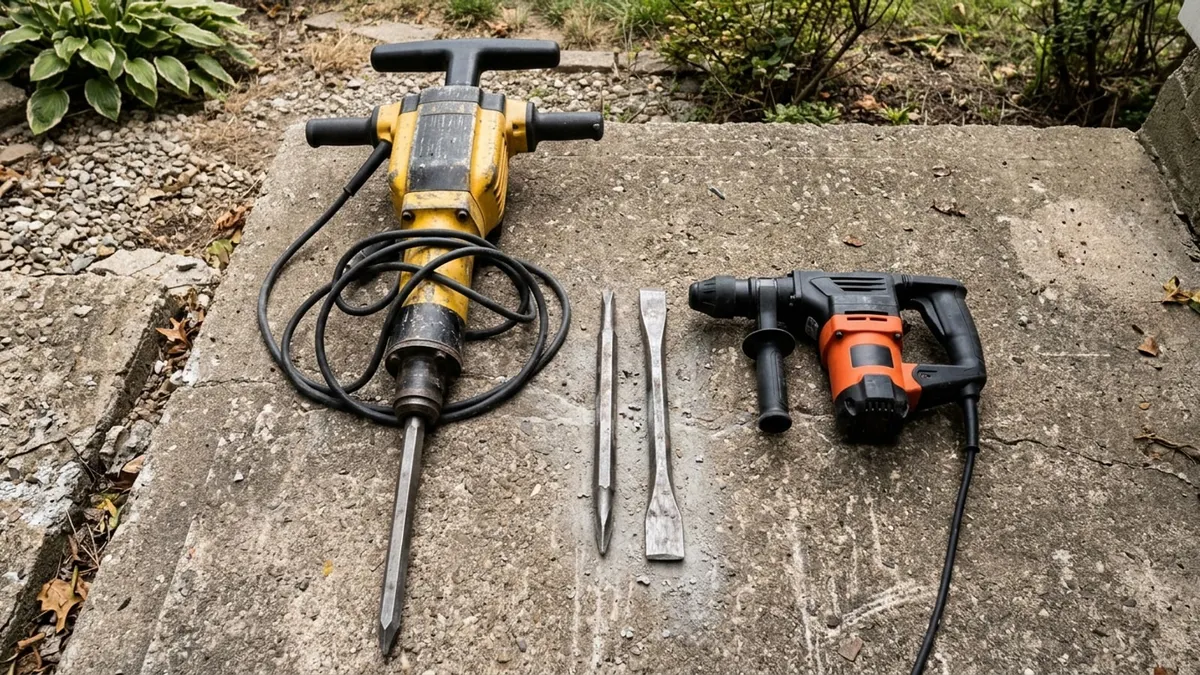
From a 13 lb tile breaker to a 35 lb hex hammer, matched to the job and the bit system.
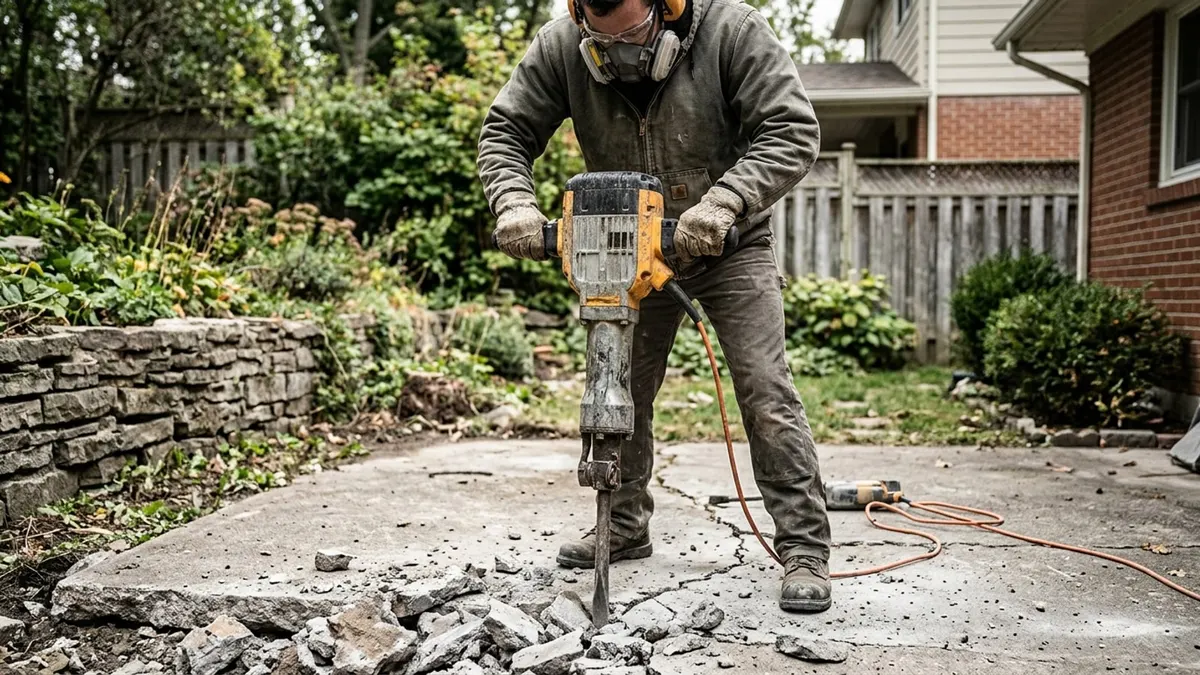
Pro breaker hammers with measured impact energy, budget hammers with bigger claims, and how to tell the difference.
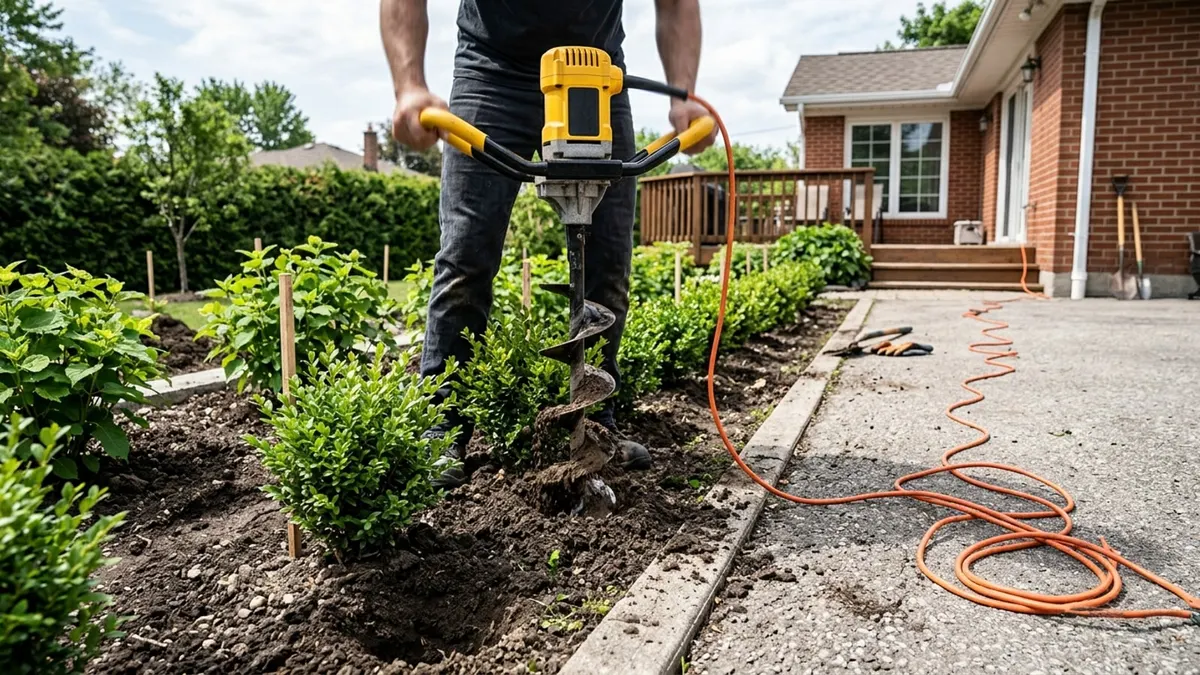
No gas, no mix, no pull cord: four corded augers and the jobs they suit.
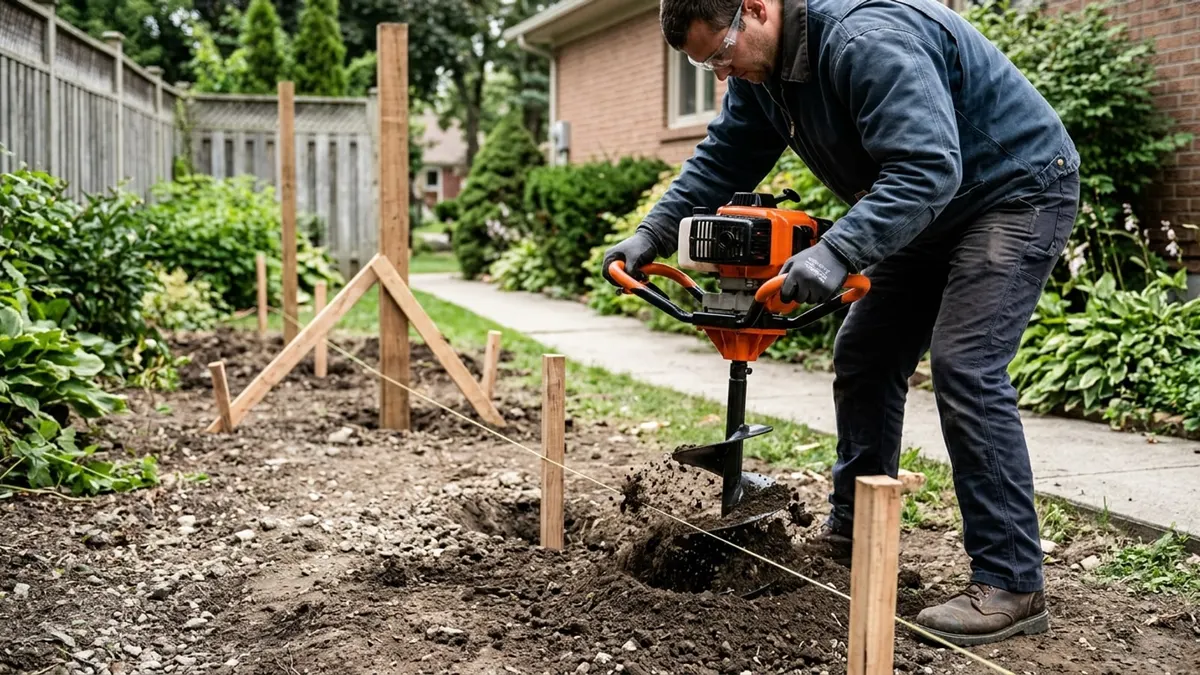
Five gas augers from a 43cc one-person powerhead to a 72cc digger, plus which bits come in the box.
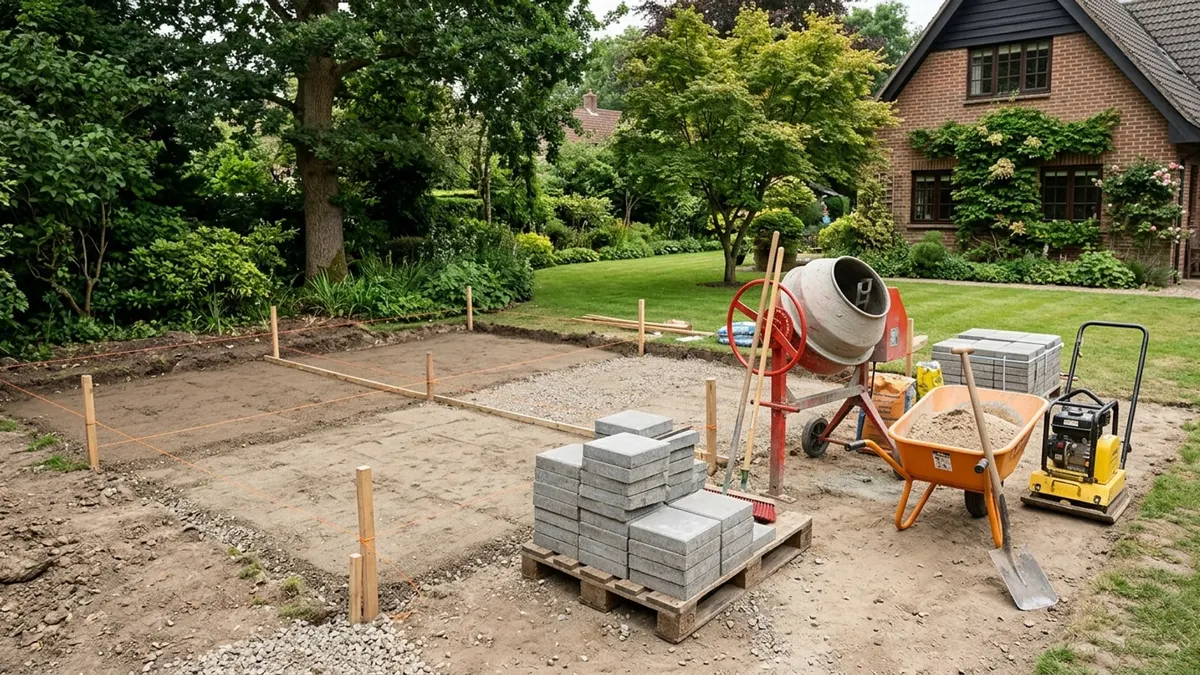
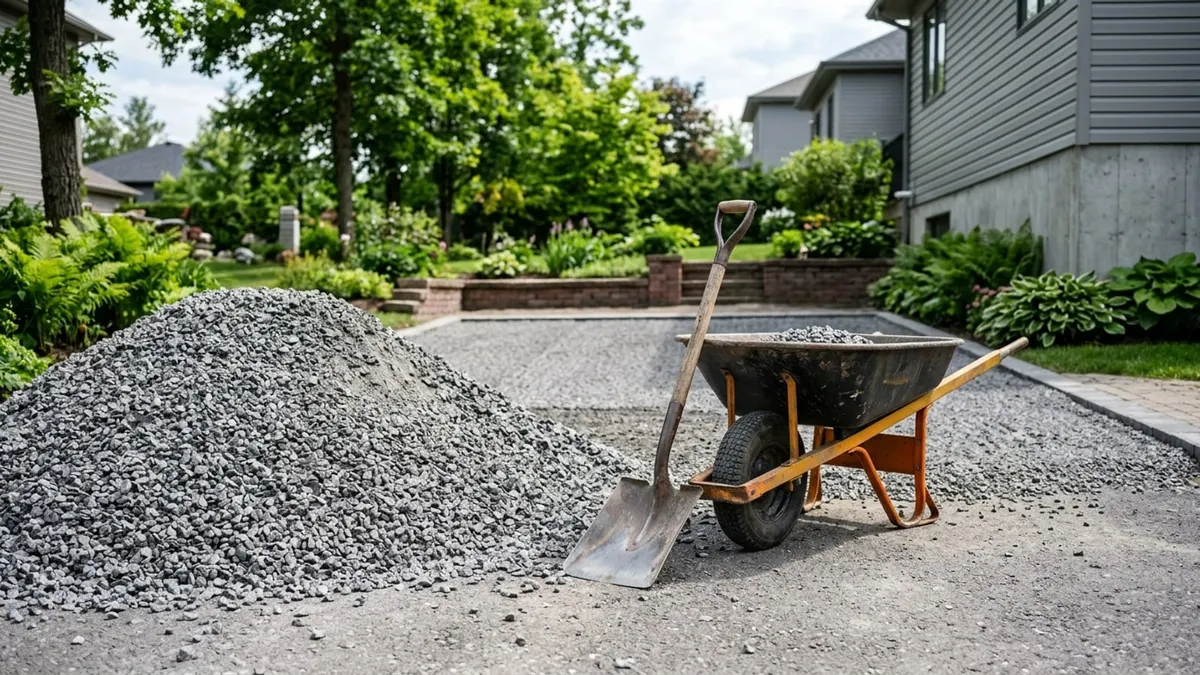
Cubic yards and tons for driveways, paver bases and drainage, with the density behind every number.
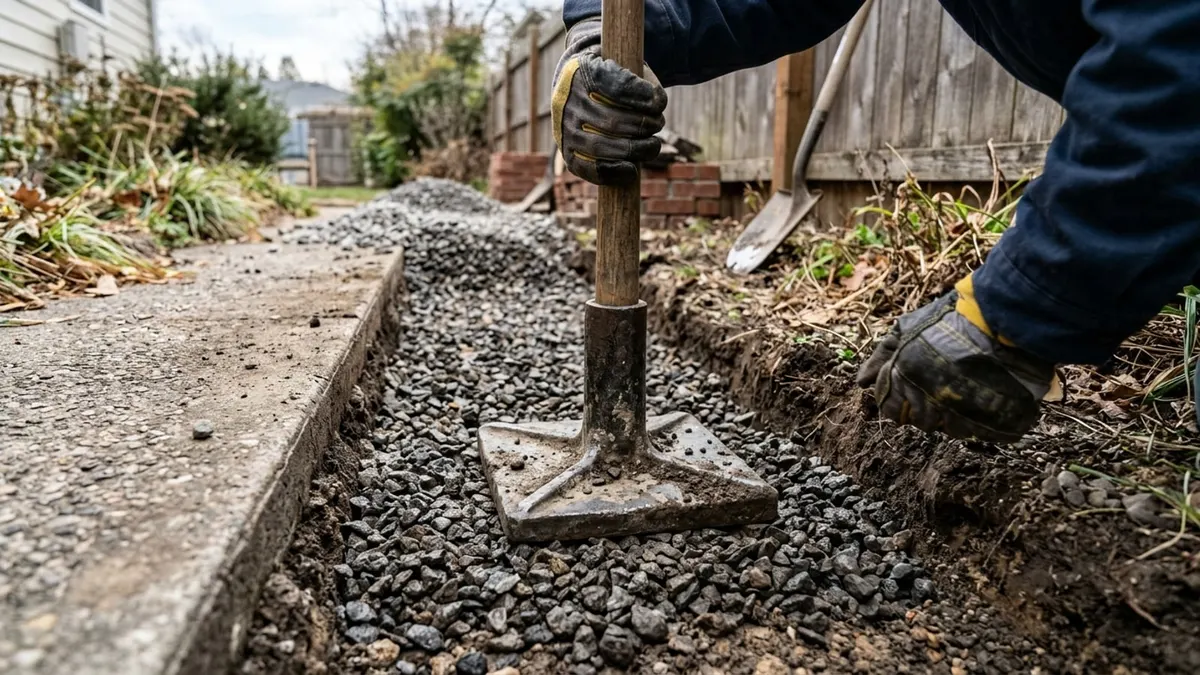
For small pads, trench backfill and post holes, a good steel tamper does the job of a machine.
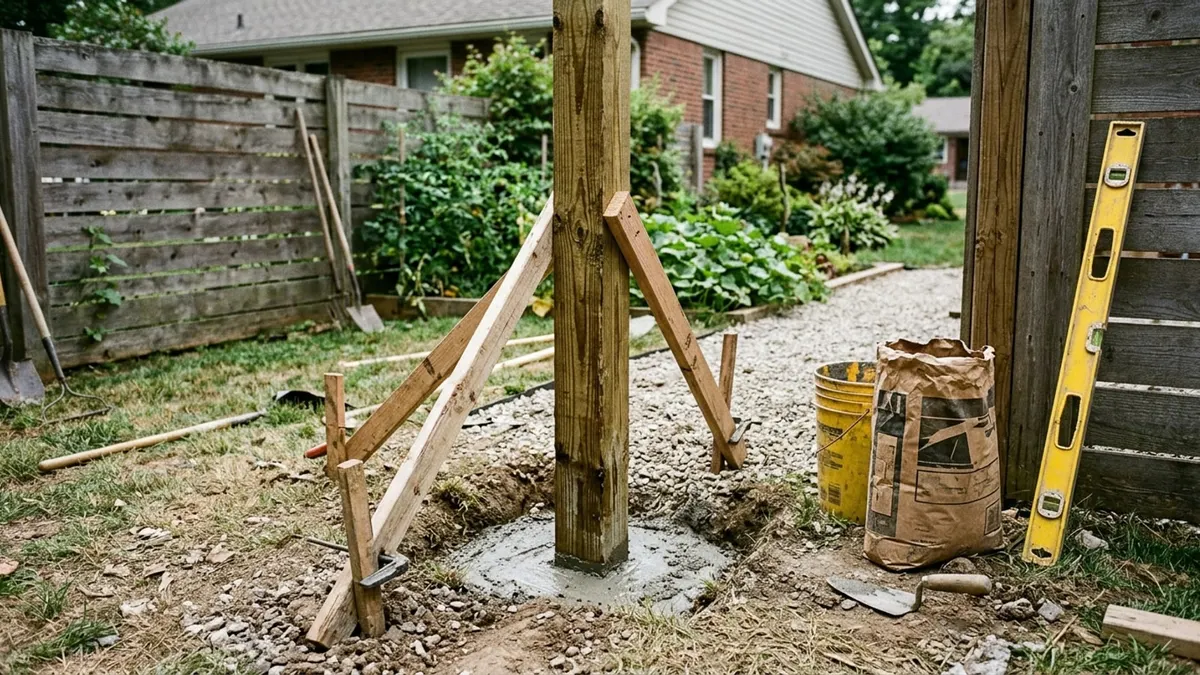
Bag counts for common post hole sizes, and why the post itself saves you a little concrete.
Start with 6 pints per 80 lb bag, mix to a stiff moldable consistency, and cure for 5 to 7 days.
Breakers use their weight to smash slabs; demolition hammers chip, scrape and work on walls.
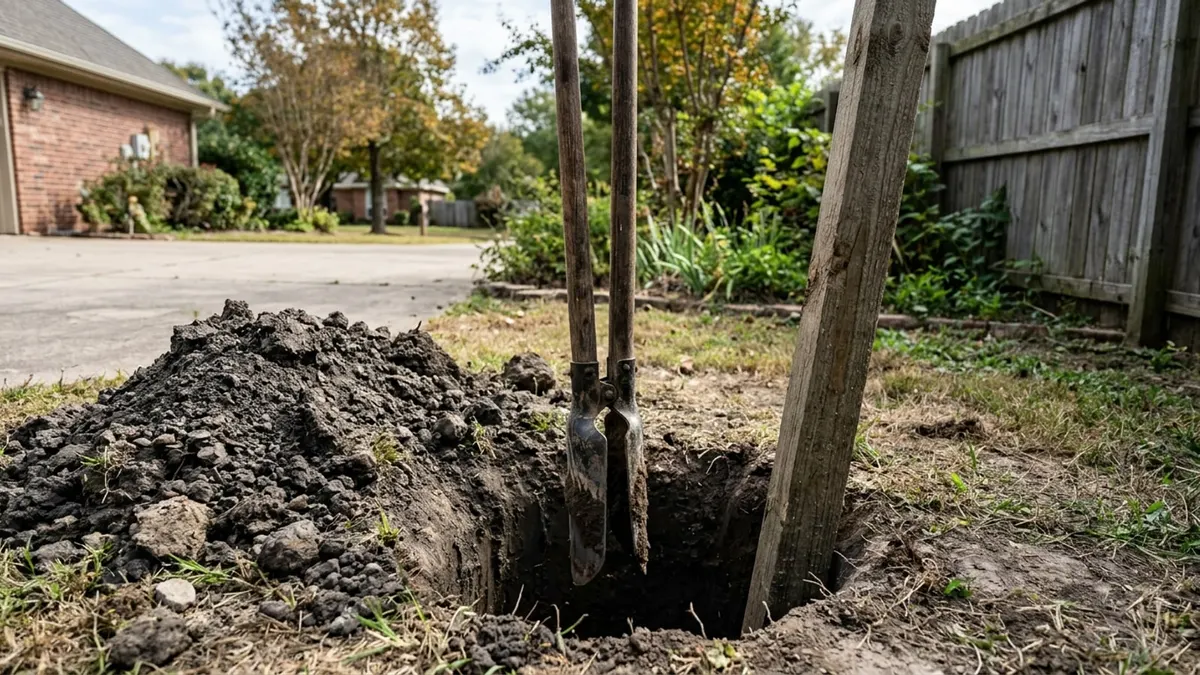
For a handful of posts, a good clamshell digger or hand auger beats renting a machine.
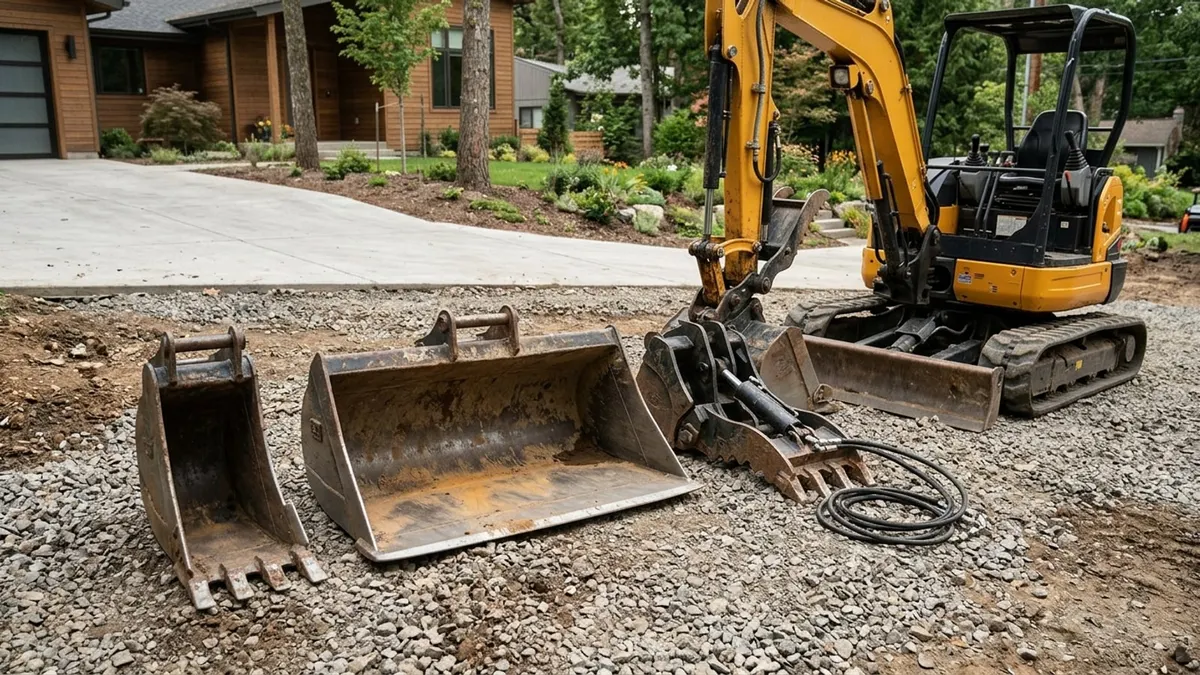
Which attachments earn their keep on a small machine, and the three measurements to take first.